
didi
file 11
Diana and I are actually quite similar in a lot of ways. We both like people, places, plans, going out, discovering things, having something to look forward to. I think we just express it a little differently.
She has this very natural enthusiasm for things. For people, for places, for dinners, for plans. She can make something very simple feel like an event, even when it’s just lunch at home on a gloomy Sunday. I think I’m more likely to overthink things, dissect them, turn them into questions. Diana has a way of just living them.
We also share this slightly complicated relationship with Paris. We both love it, but not in a blind way. We have our favourite streets, our comfort zones, our places we keep going back to. We both talk about neighbourhoods as if they have personalities, and probably attach far too much meaning to where we have coffee (Diana has chai).
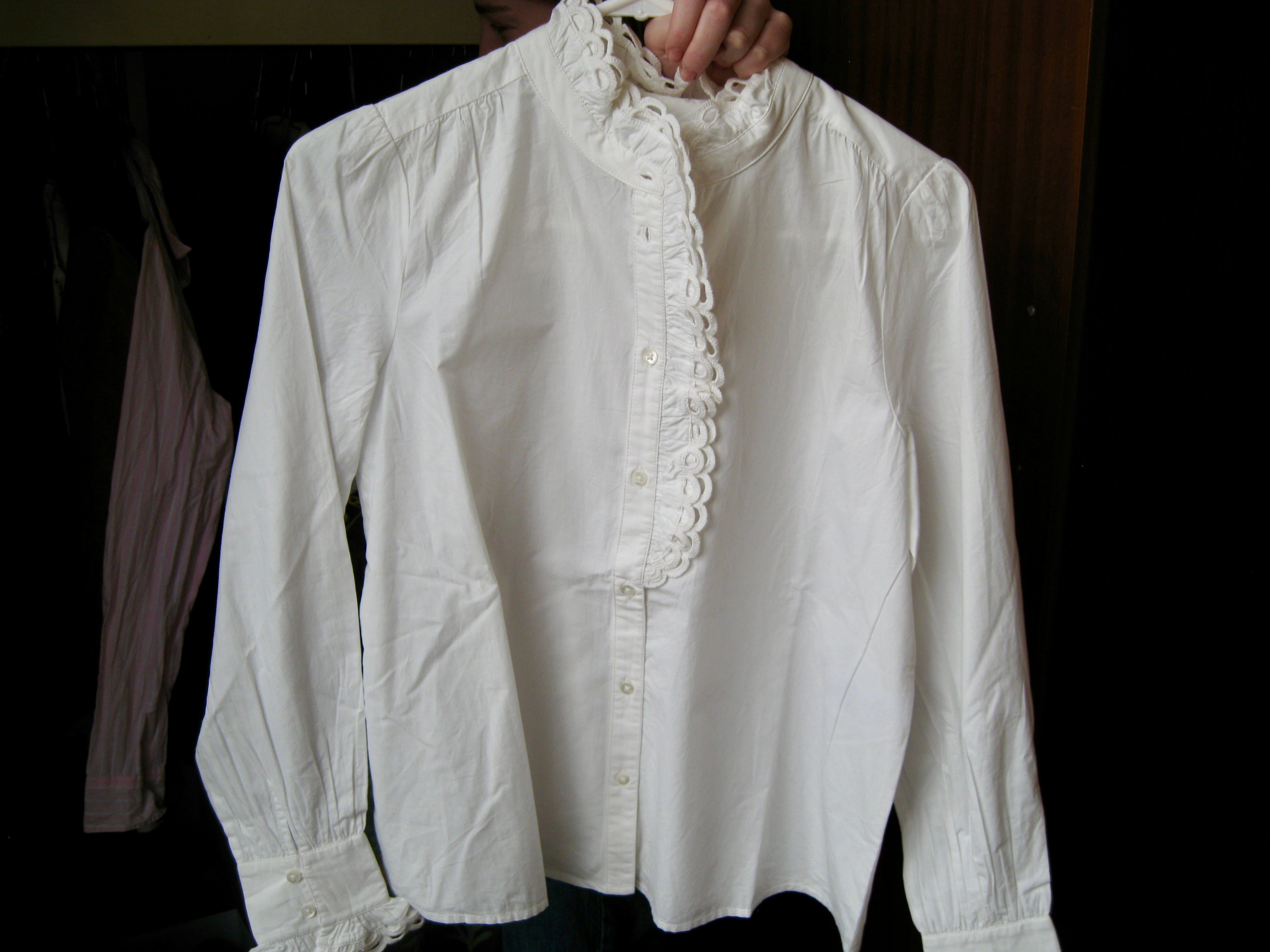
What I love about her is that she makes things feel easy. Conversation with her moves quickly. One minute we’re talking about cities and growing up, then clothes, then relationships, then where to get a chai, then suddenly I’m upstairs photographing her wardrobe.
There’s something very generous about the way she lets people into her world. Her home, her table, her routines, her recommendations, her stories. I think that’s why interviewing her never really felt like interviewing her.
It just felt like spending an afternoon with Didi, except this time I happened to bring a recorder.
Diana is the first at-home interview I do, which already makes it feel slightly different. I go to her place for lunch on a Sunday afternoon. It’s gloomy outside, very Paris-doesn’t-really-know-what-season-it-is. I take my bike and cycle to the 8th, only to discover that the Champs are blocked. Extremely irritating. Minor logistical drama before lunch.
The first part of the interview happens while Diana is preparing food, which I immediately like. Nothing ceremonial, nothing staged. She makes a salad with salmon and feta, which, weirdly enough, is exactly what I had been craving for lunch. Good start.
We talk while she moves around the kitchen, and from the beginning she’s incredibly enthusiastic. About the questions, about the conversation, about showing me things. There’s something very easy about it. It feels less like sitting someone down for an interview and more like I’ve accidentally brought a recorder into a Sunday lunch.
Y: Pretend the recorder is not here.
D: Sure.
Y: When I was preparing the interview, I had to remind myself of all the cities you’ve lived in over the past four years.
D: There have definitely been quite a few! Through university, I had the opportunity to live in Milan, Turin, Madrid, London and Paris. I could have done another semester in Berlin too, I think, but I said no. At some point I just thought, enough. Now I’ve been more or less settled in Paris for three years.
Y: I travelled a lot as a child and while growing up, and people often ask me whether living in so many different places changed me. I always say no. What changed me were the people I met and my interpersonal relationships.
D: That’s true, but I also think that depending on where you live, you meet very different kinds of people, and those people can make you grow more or less. I would say that, fundamentally, I’ve always been more or less the same person. I’ve always been very euphoric, someone who likes going out and having fun.
In Milan, I was that person to the extreme. There was no such thing as staying home on a Saturday night. Sometimes I would go out simply because staying home felt strange to me. I think I stayed like that in Turin, and during my first semester in Madrid too. Madrid is such a lively city, everyone is always outside, and I naturally followed that mood.
London was probably the moment when La Didi calmed down a little. I still go out, have fun, organise dinners, but I can also say no now. I can spend a weekend at home and be perfectly happy being quieter.
Y: Did you have FOMO?
D: When I was in Madrid, Turin or Milan, it wasn’t FOMO in the sense of, “Oh my God, I absolutely need to do this thing.” It was more like, “It’s the weekend, I have to go out. Staying home simply isn’t an option.”
I would genuinely get anxious at the idea of staying home and watching a film. Completely out of the question! I had to go out, or at least have people over and do something at home.
Y: You host a lot of dinners at home.
D: I love having people over.
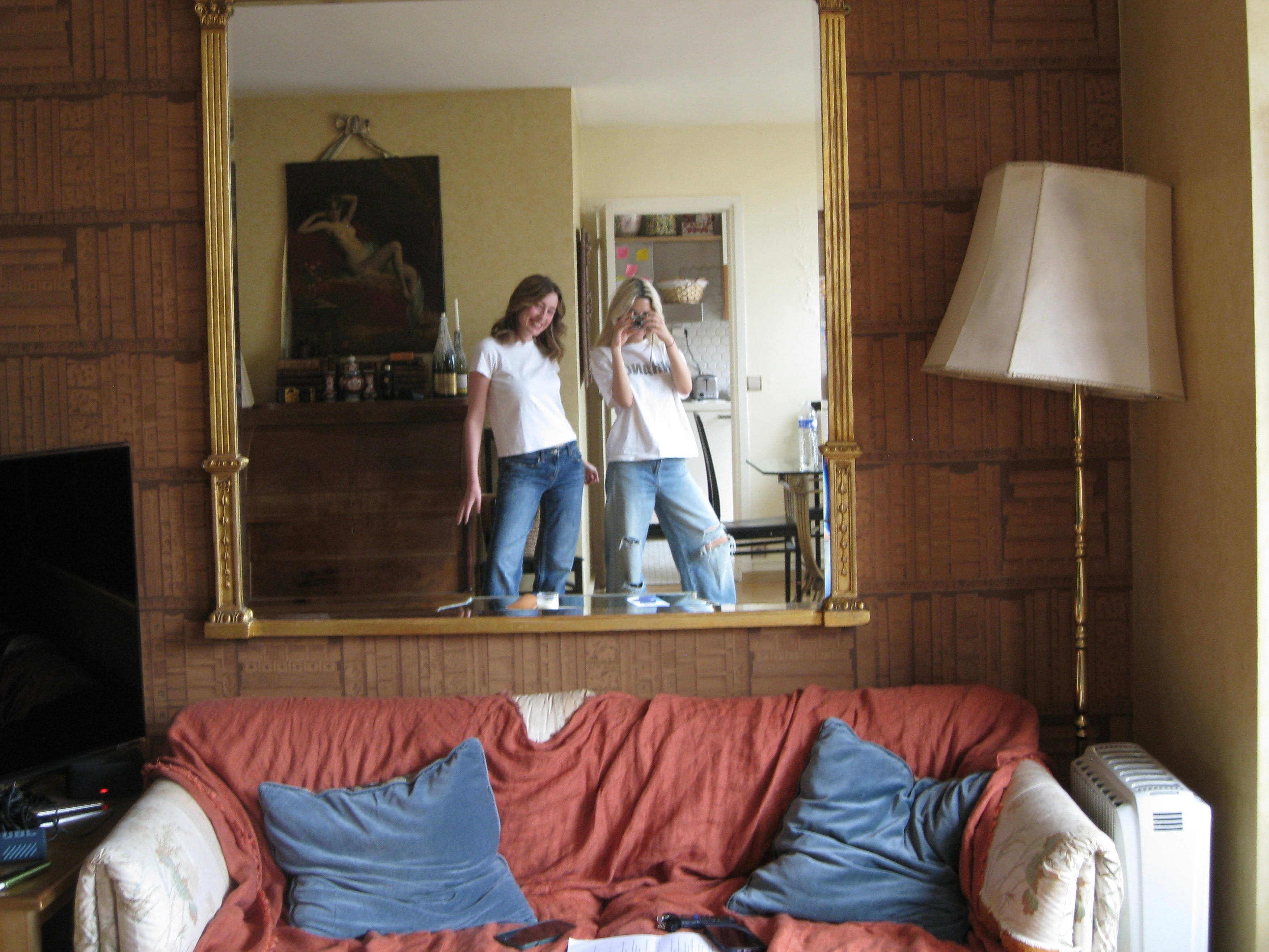
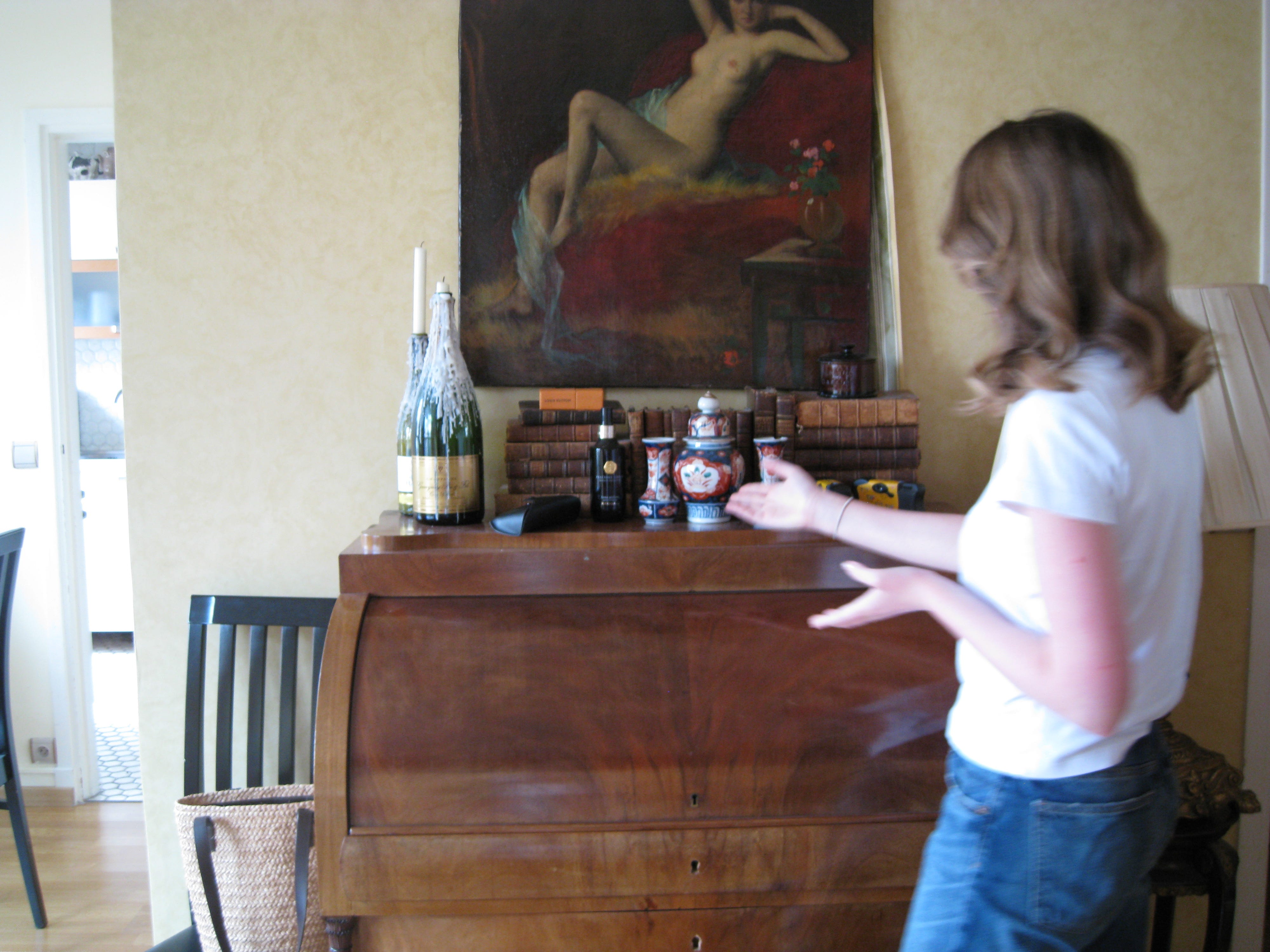
Y: And you have an amazing apartment.
D: I try to use it as much as possible, including the terrace. And in general I really, really love inviting people over. I think it’s such a nice thing to do.
Y: Where does Paris sit compared to all the other cities?
D: I think Paris was another step entirely. When I started university, I started it with the goal of eventually coming to Paris. Paris had always been my final destination. I had always had this love for the city, and I knew I wanted to live here.
So when I finally arrived, I was incredibly excited, like a child in a sweet shop. And because my sister was already living here, I had always found excuses to come and visit her. Sometimes she would be at university during the day and I would just wander around Paris on my own. I loved it.
When I actually moved here, it was beautiful. I remember thinking, okay, I have to experience everything fully. But it felt different from before. It wasn’t, “I need to be outside all the time because otherwise I feel bad.” I could absolutely spend a whole weekend at home.
I wanted to go out because I was curious. There was so much curiosity.
Y: And does that curiosity stay, even after three years? I’m always slightly afraid of falling into a comfort zone. Then I remember that Paris is full of completely different places and arrondissements.
D: Absolutely. Obviously, because it’s convenient, I also started going back to the same places all the time: Saint-Germain, the 7th… the places inside my comfort zone. Like a lot of people, I would say Mazarin and Balto are definitely part of mine. I love them.
There was also a period when my comfort zone, and actually it still is, especially on Sundays, was the Marais and Café Hugo, sitting under the arcade. If I’m with one particular friend and I just want to see her, feel comfortable and sit somewhere familiar without necessarily running into loads of other people, that’s where I go.
And then I remember that at the time so many of my friends lived in the Marais too. I think I might even have suggested we meet there once!
Y: Any places you’ve discovered recently?
D: I’d really like to get to know the 11th better. The problem is that I’m very, very lazy, and for me the 11th is genuinely inconvenient. If someone tells me we’re having dinner there, or if it’s already planned, fine… but otherwise I’ll always choose somewhere closer.
I’m also becoming really curious about the 9th. It feels very young, and I went to this place there once with my boyfriend and we ate incredibly well. It’s called La Boule Rouge. It’s really nice for a girls’ night, but also a little romantic if you’re going on a date.
Y: Can we have Didi’s Paris address book?
D: Go.
Y: A place to have a coffee when you actually have time?
First of all, I’m not really a coffee person, I’m a chai person. I barely drink coffee anymore since I discovered chai last year. Before that, I didn’t even know what it was.
Otherwise, tea with milk, always. Every time I see a coffee shop with chai latte, I go in, so I’m slowly trying all of them. The Marais has loads, and so does the area around my office in the 1st and 2nd.
I like getting one and drinking it at Palais Royal.
Another place where I used to meet my friends all the time last year is Le Fumoir, near Louvre-Rivoli, right on the corner. I had lunch there once too. The food isn’t amazing, but the location is really strategic because you’re close to the Marais, and you’re also not far from Saint-Germain.
Y: A place for my next date? Which won’t be happening anytime soon because I’ve officially declared a break from men.
D: In the 9th, like I was saying, La Boule Rouge. Otherwise, Sugaar on Rue Gozlin. They also make really good cocktails. The raw dishes are great too, and I’m a huge fan of prawns.
Y: A place for girls’ night?
D: I love girls’ nights, and I love organising dinners. I actually have places saved specifically for girls’ nights that are different from the places I suggest when I’m organising mixed dinners.
One I really love because I adore the vibe opened a few years ago. It’s called Anahi, in the Marais. They serve meat and it’s really, really good.
But there are a thousand others. Tekès, and Safado in the 2nd, where they have live singing.
Y: A place for shopping?
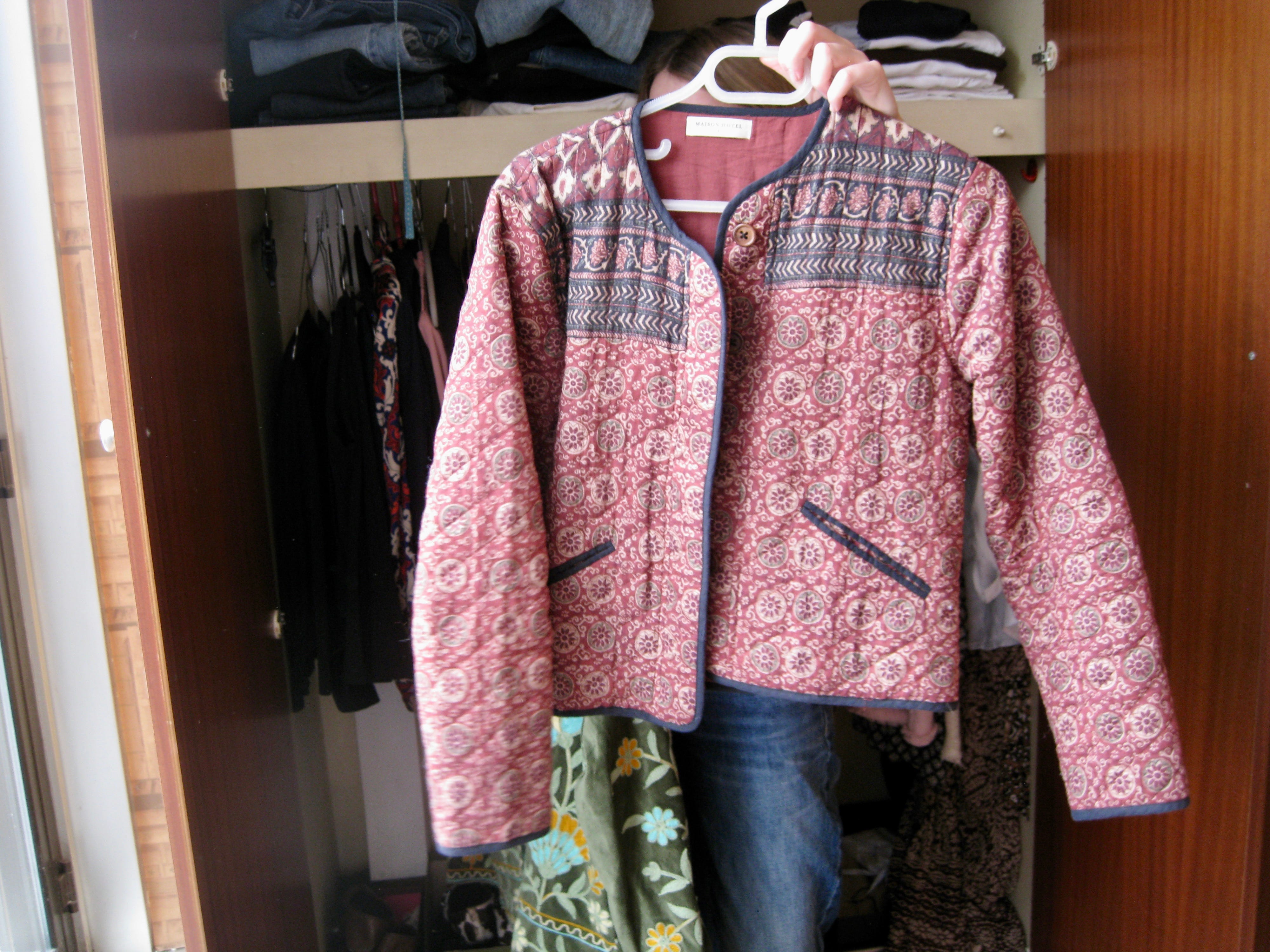
I’m obsessed with this French brand, but fun fact, I actually discovered it in Italy, in the mountains. It’s called Maison Hotel.
There’s this tiny, tiny multi-brand boutique in the Marais that carries a lot of Maison Hotel pieces. And I love their little necklaces.
I’m not actually that much of an accessories person. I don’t really wear anything too bold. But this summer, for example, I bought some bangles and those became a must for the entire summer.
When it comes to jewellery, though, I don’t really follow trends. I also don’t really follow that whole idea that gold suits some people better and silver suits others better.
Y: I always mix them.
D: I have to say, I own much more gold than silver.
Y: Can we see your wardrobe?
D: Sure, let’s go up, follow me.
A Bag Can Change Everything
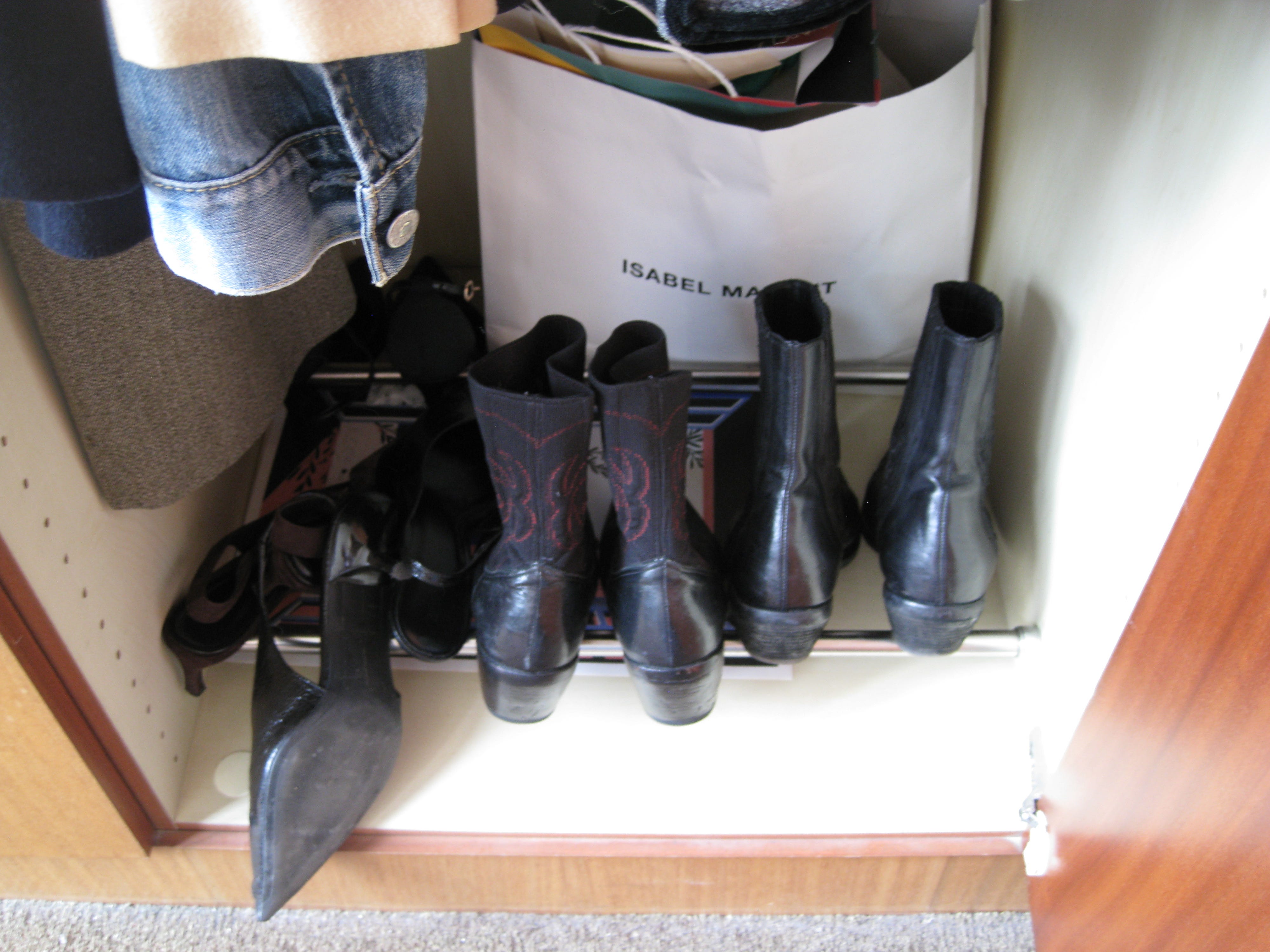
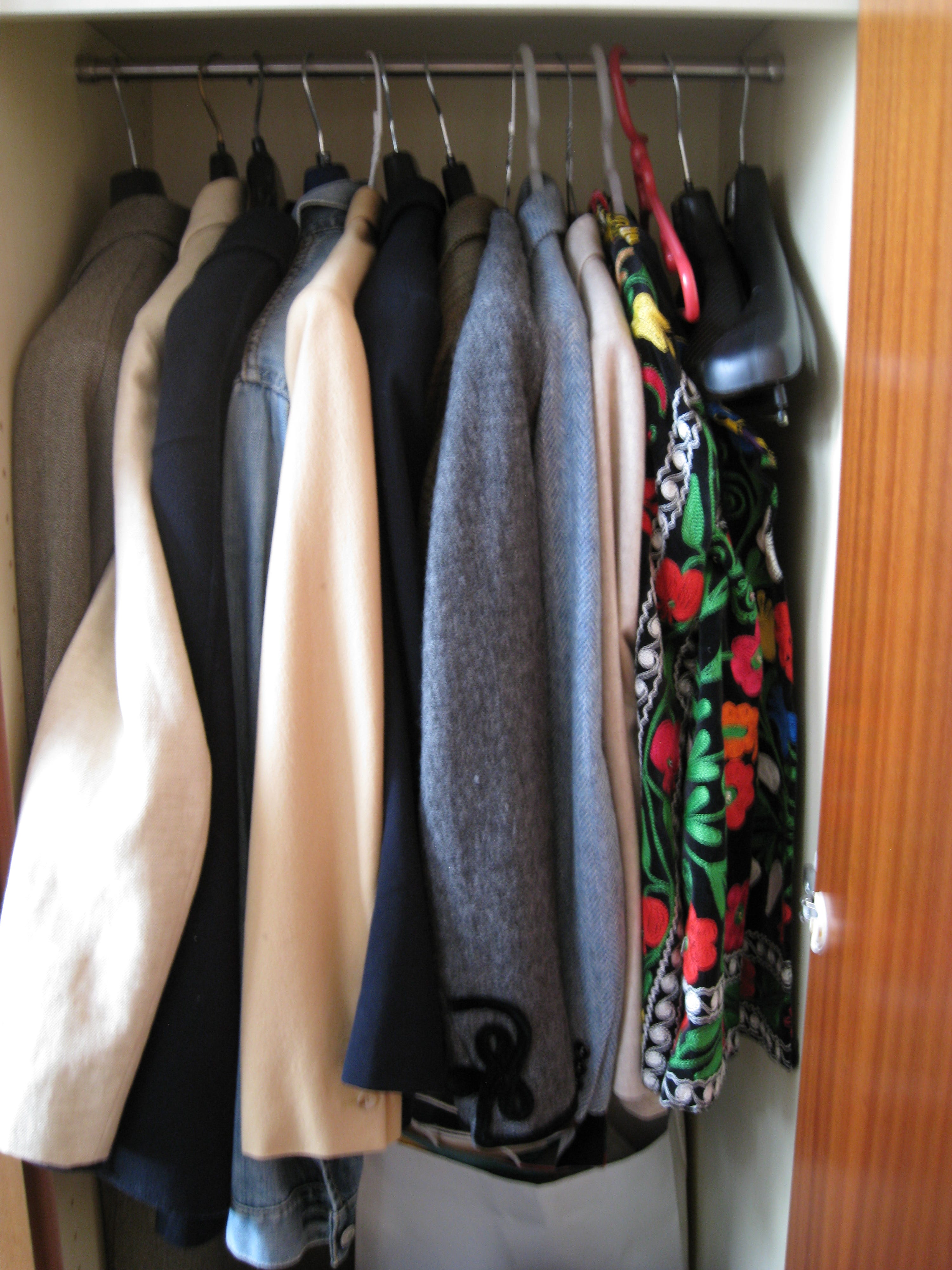
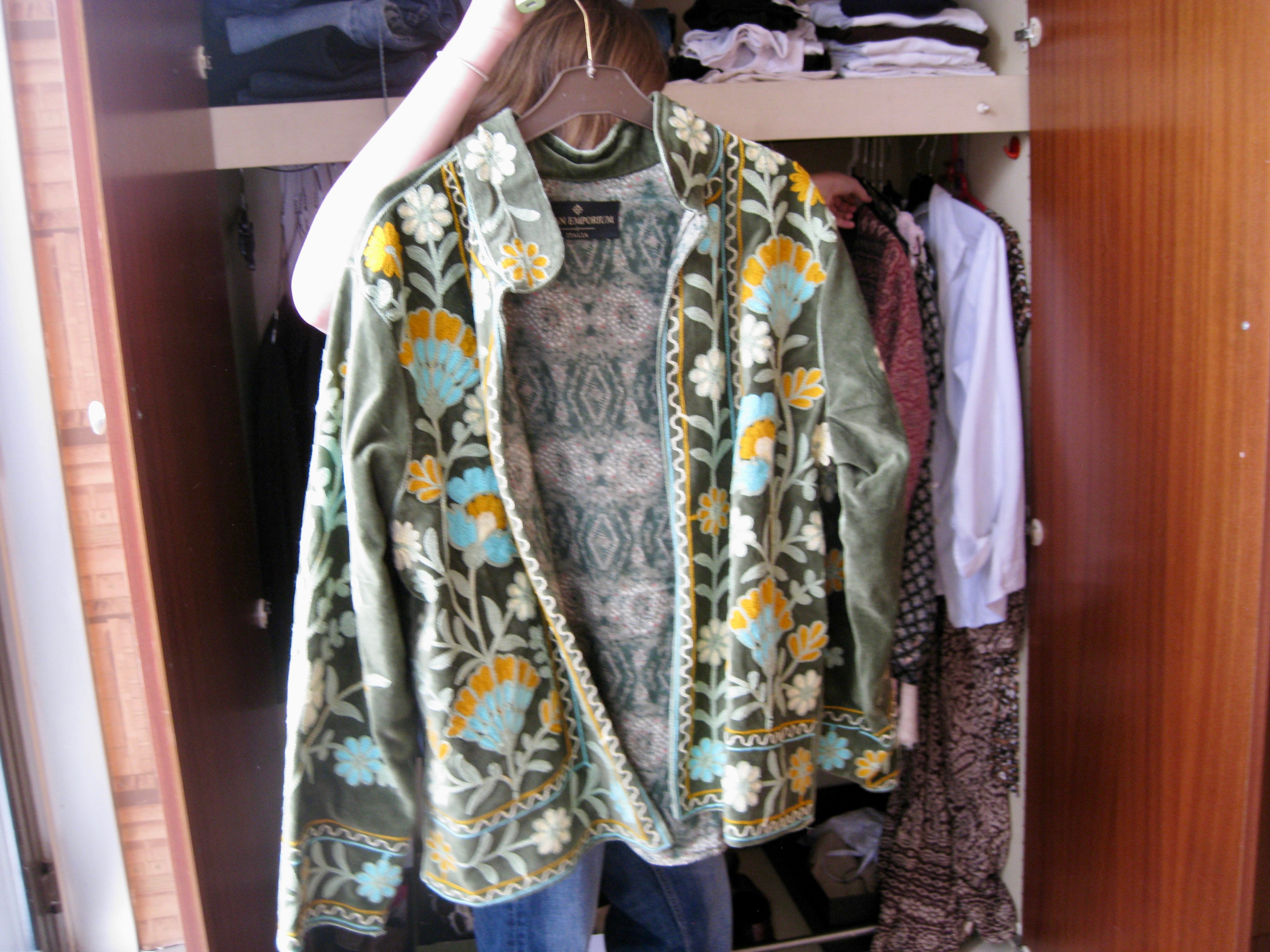
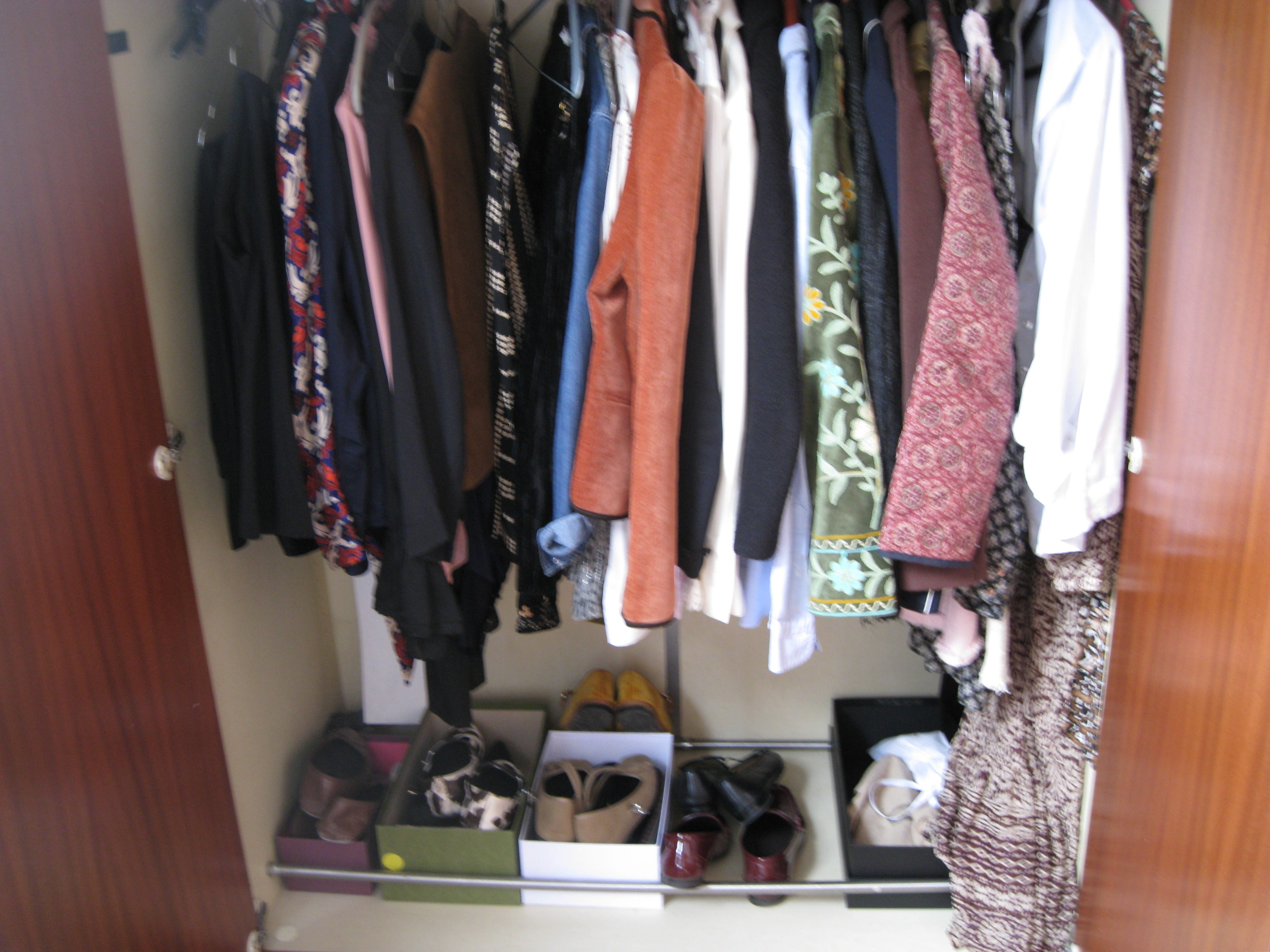
At some point, we leave the table and move towards Diana’s wardrobe. She shares the apartment with her sister, which means the clothes, shoes and handbags have to coexist in a slightly complicated arrangement.
Y: Can we look inside your wardrobe?
D: It’s a bit of a mess.
There are shoes here, jackets over there, and then we have the bags.
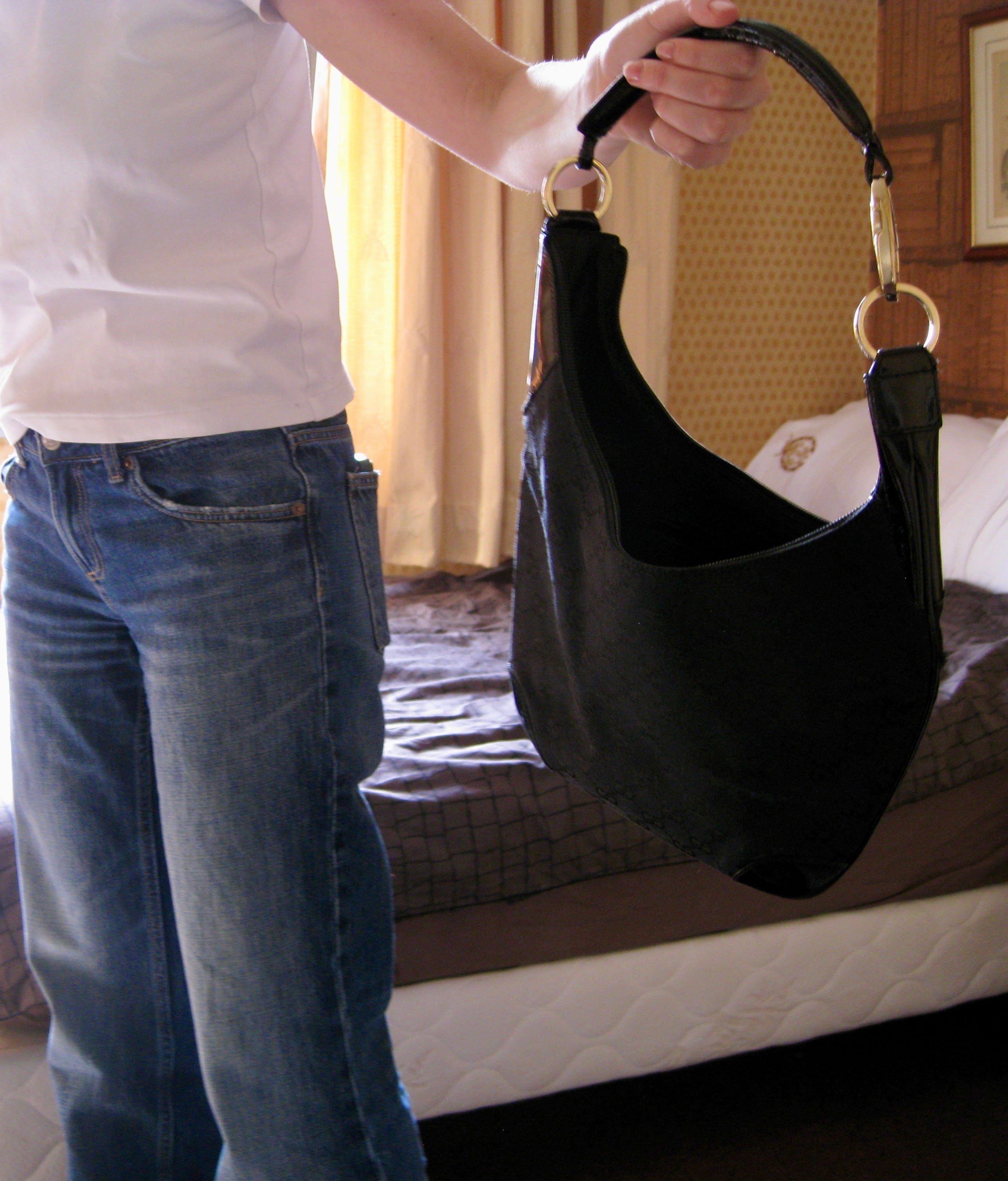
Y: Your bag collection is incredible. Do you and your sister share everything?
D: We share quite a lot. Some things are hers, some are mine, but the bags are all kept together. My sister is much more careful about storing them properly. She keeps them in their dust bags.
I’m less organized. Sometimes I’ll open a dust bag that’s mean for a bag I think is inside and discover a completely different bag inside.
Y: Terrible question. Your apartment is on fire and you can save one bag. Which one are you taking?
D: That’s horrible. I have quite a few bags that I’m emotionally attached to.
Some are bags we’ve bought over the years, but I also have vintage bags that belonged to my mother.
There’s one in particular that I absolutely love.
I don’t think it’s necessarily worth very much, but it means a lot to me. It has these gold details, and I feel like it makes an entire outfit.
That’s probably the one I’d save for sentimental reasons.
Y: How important is a bag to an outfit?
D: I think it’s one of the most important things.
I dress quite simply most of the time.
And a bag can completely transform what you’re wearing.
You can be wearing something very basic, but the right bag changes everything.
Y: And what about other accessories?
D: I love belts.
In the past few years I’ve really started collecting them.
Vintage belts, unusual buckles, different textures.
I have some with animal prints, some with beads.
I think they make an enormous difference.
I don’t usually wear very extravagant jewellery, although recently I’ve been wearing bigger bracelets.
But bags and belts are probably my favourite accessories.
The Brands We Work For, the People We Become
Y: You’ve worked with different fashion houses, all with quite distinct identities. Do you think the brands you work for influence the way you dress?
D: Definitely.
Sometimes I’ll wear something and people immediately associate it with the brand I’m working for.
But I don’t think I have one very specific personal style.
I love certain bohemian influences, for example.
I might wear a blouse, jeans, cowboy boots, a big belt.
Then another day I’ll dress very simply, almost minimalistically.
Sometimes I look at someone who dresses in that very polished, understated Parisian way and think, that’s exactly how I’d like to look.
But I don’t always dress like that myself.
Y: Do you think you have to choose one identity?
D: Not really.
I like different things.
And I think it’s normal that your taste evolves depending on what you’re surrounded by.
Working in fashion exposes you to different aesthetics.
You start appreciating things you might not have considered before.
Y: I’ve experienced that too. Working for different houses has definitely changed my wardrobe. Sometimes I feel like I have pieces representing different chapters of my career, and now I just mix everything together.
D: I think that’s quite natural.
You absorb different influences, but in the end you decide what feels right for you.
A House Full of Little Things
Y: I have to talk about your apartment because I think it’s beautiful. Does the interior reflect your taste?
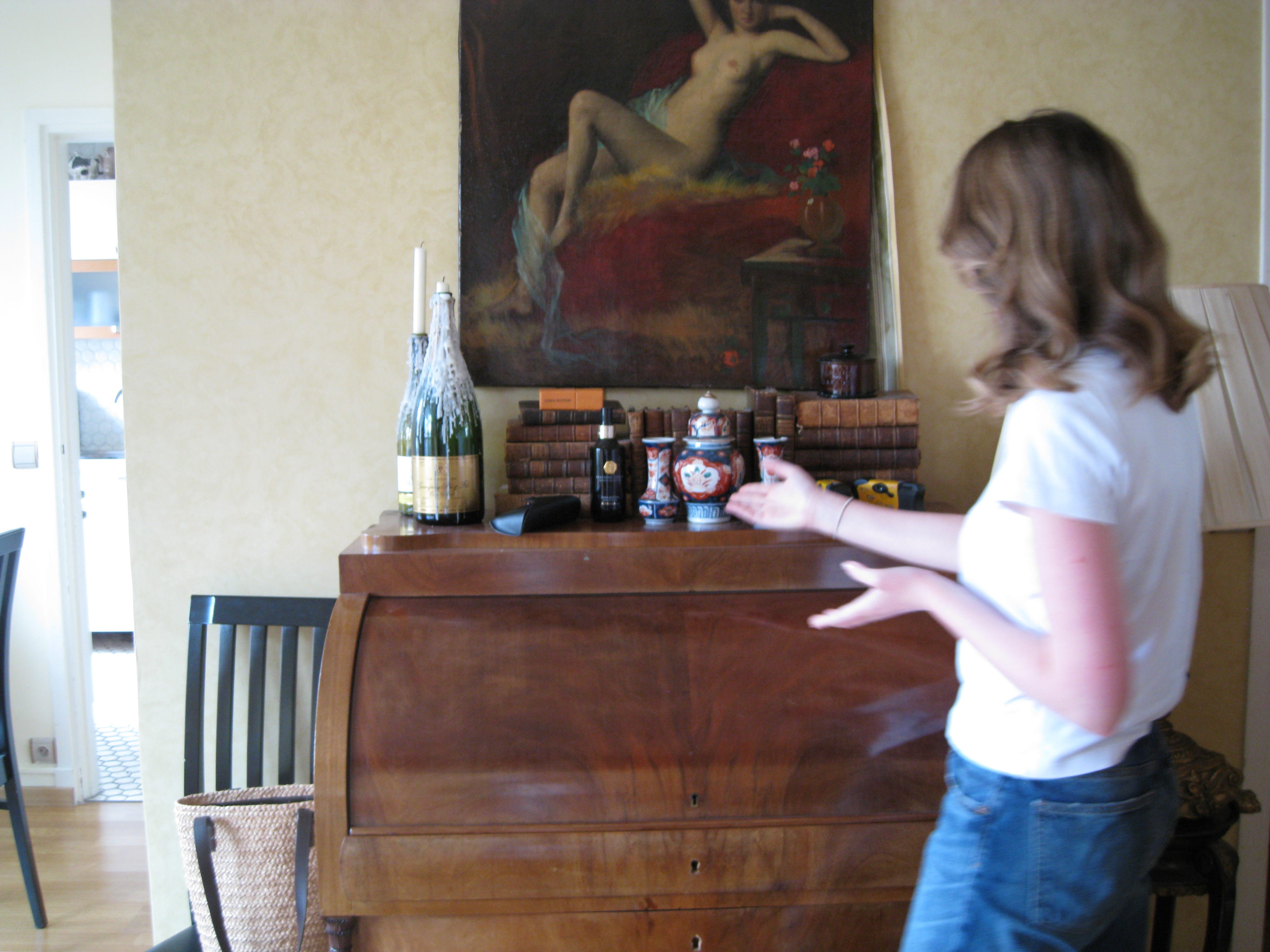
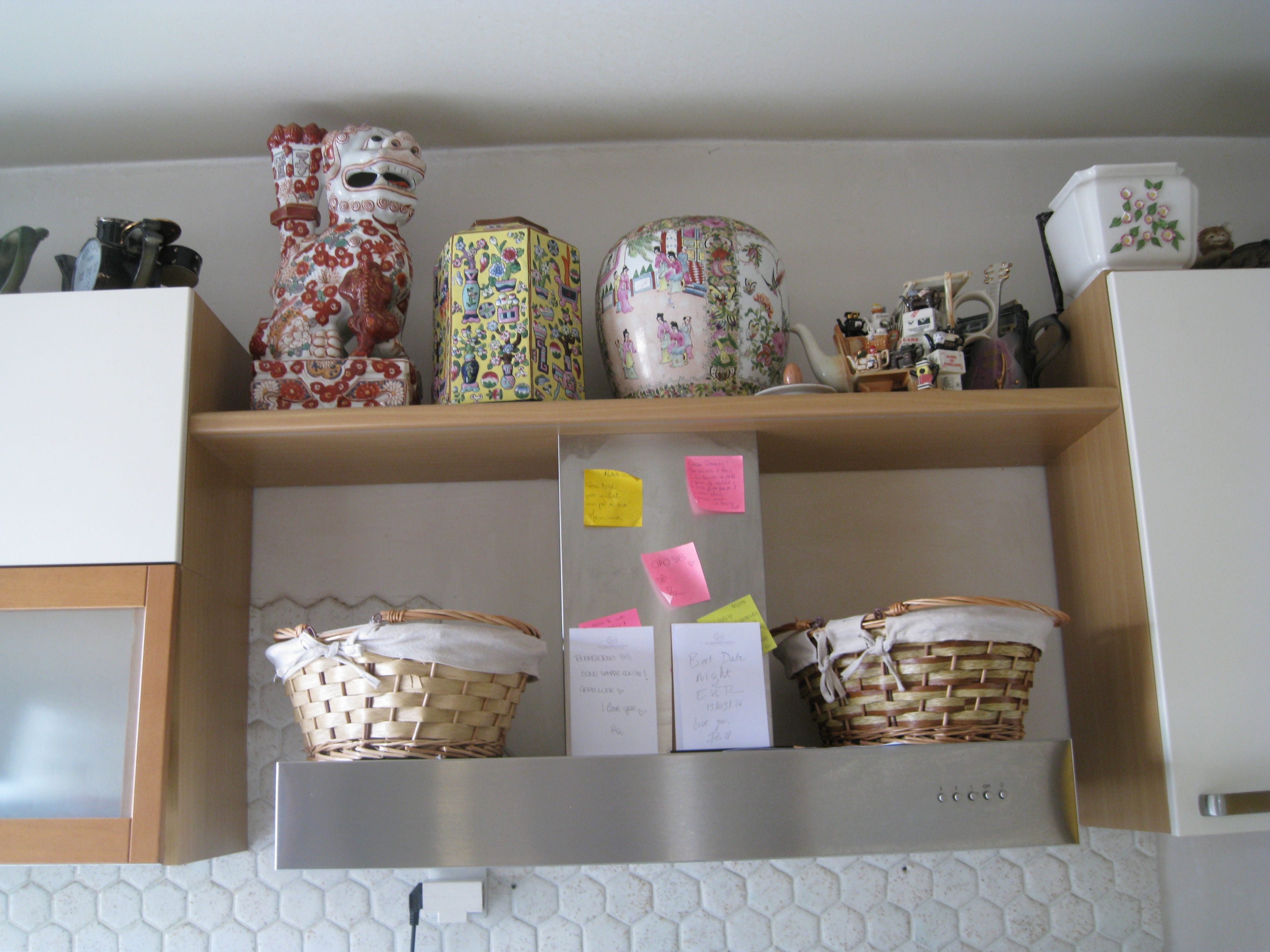
D: Thank you! Actually, my sister and I didn’t decorate it ourselves. It was already furnished when we moved in.
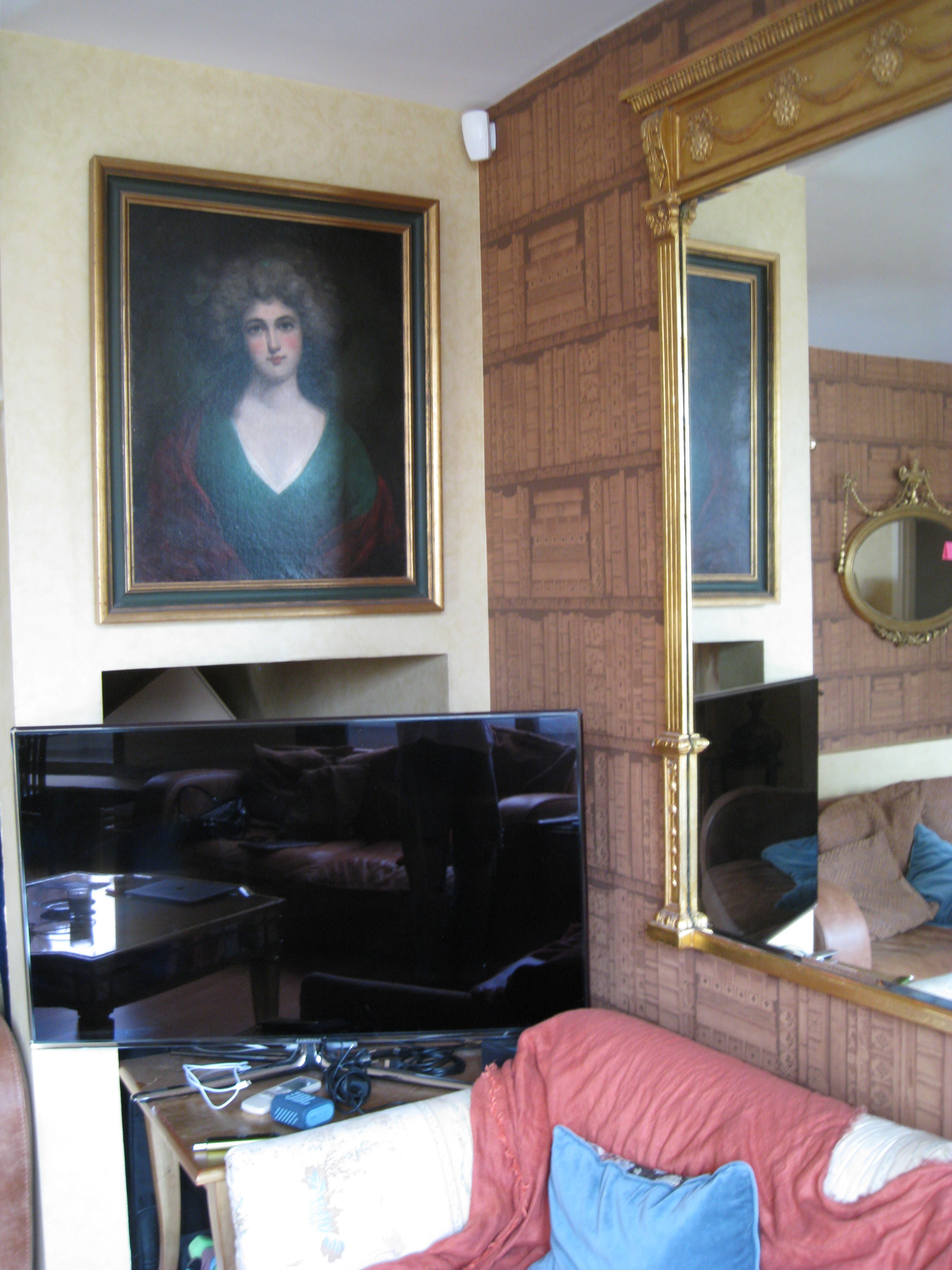
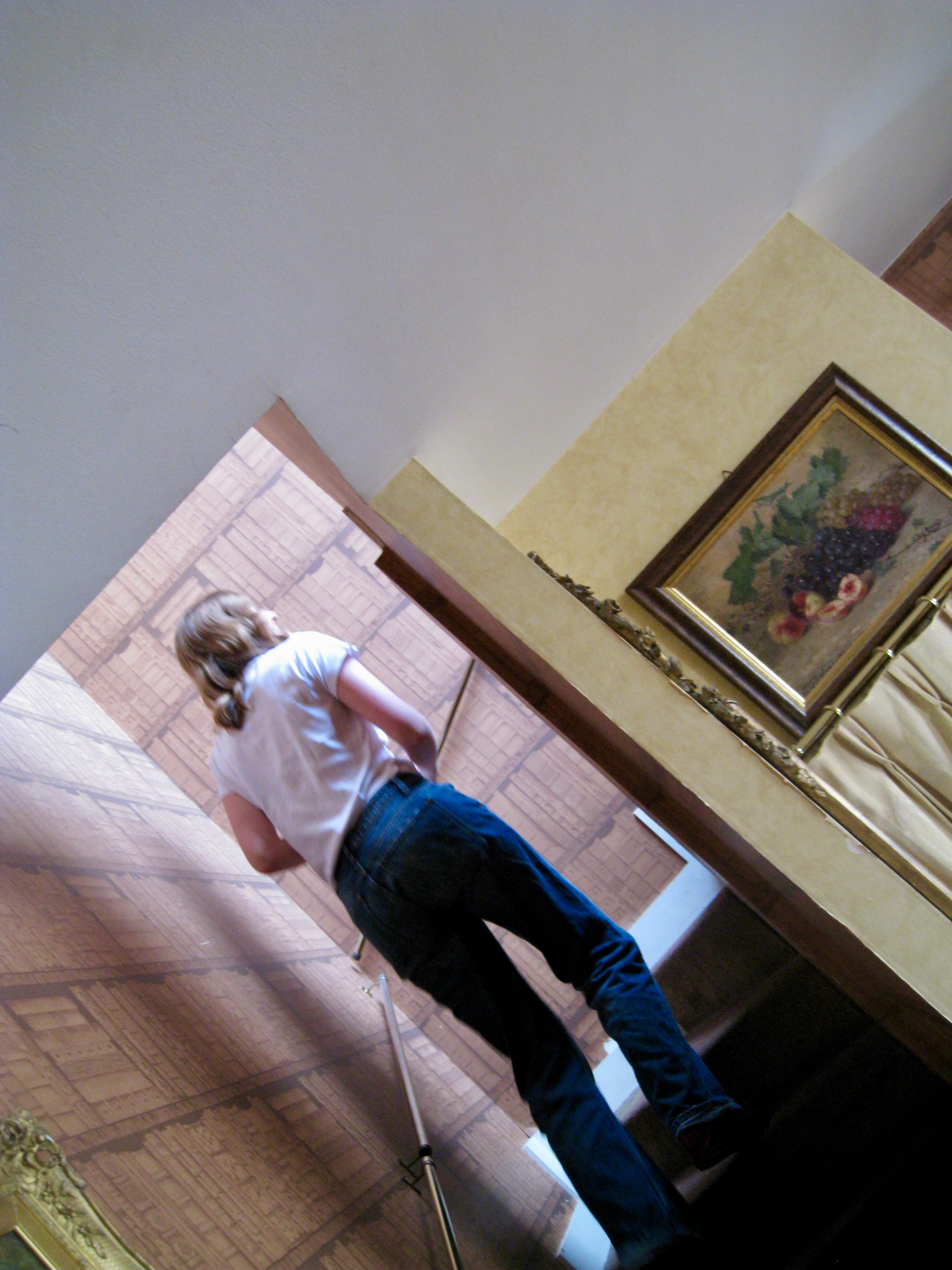
But I really like it. I like that it’s a full house, with lots of paintings and decorative things.
Little objects everywhere.
Some of them don’t really serve any purpose, but I like that.
I don’t think I’d necessarily recreate this exact interior if I were starting from scratch, but I love the feeling it has.
Y: Would you like a more minimal apartment eventually?
D: I think I’d still want a home with personality.
I like spaces that feel lived in.
Something a little smaller could be lovely too, especially if I were living alone.
But I like homes that have objects, details, things that make you curious.
Mixing the People You Love
Y: You have friends from so many different periods of your life. School, university, work, all the cities you’ve lived in. Do you prefer keeping those friendship groups separate, or do you like mixing everyone?
D: I love mixing them.
I really don’t understand why some people prefer keeping their friendship groups completely separate.
Obviously, everyone is different, but personally I love introducing people to each other.
I think it’s beautiful when friends from different parts of your life meet and get along.
Then they become friends independently of you.
And suddenly different parts of your life are connected.
Y: What’s a quality you really value in a friend?
D: Good manners.
That might sound very basic, but I think politeness and respect are fundamental.
Even before someone becomes a friend, I notice how they behave towards other people.
I really dislike rudeness.
And I think it’s important to feel comfortable with the people around you.
Y: You have this quality I’ve always admired. You’re very good at making people feel comfortable. I’ve seen it when you’ve invited people over. Even if they don’t know anyone, you manage to make them feel included.
D: That’s so nice of you to say.
I think it’s something I care about.
My sister is even better at it than I am. She’s one of those people who can make absolutely anyone feel at ease.
I really admire that about her.
And I hope it’s something I do too.
Y: Is it something you’ve always been conscious of?
D: I think I’ve become more aware of it over time. When I was younger, I might not always have realized what impression I was giving people. Not because I was trying to be unpleasant.
I just didn’t necessarily think about it.
As you grow older, you become more aware of how the people around you feel.
I don’t need everybody to like me. I don’t want to be a people pleaser.
But I’d like people to feel comfortable around me.
On Arguments, Honesty, and Being Chill
Y: Is there something you find particularly difficult to tolerate in friendships?
D: I really dislike unnecessary conflict.
I’m not someone who gets angry easily. People sometimes interpret that as avoiding confrontation, but I don’t think that’s quite right. It’s not that I’m secretly furious and pretending everything is fine.
Most of the time, I’m genuinely not angry. I just don’t think every disagreement has to become an argument.
Y: And what about being honest with people? I sometimes struggle with knowing whether it’s better to say something difficult or simply stay quiet.
D: I think there’s a difference between being polite and being hypocritical. If you’re around someone you don’t particularly like, you can still be courteous.
That doesn’t mean you’re being dishonest. For me, hypocrisy is more about pretending you genuinely want a relationship with someone when you don’t.
You don’t have to like everybody.
But you can treat people properly.
The Pictures She Takes
Y: I was looking at your Instagram before coming here, and something struck me. You post so many photographs of your family, your boyfriend, your girlfriends, places you’ve visited. It’s almost more of a visual diary than a collection of photographs of yourself. Is that intentional?
D: I think so. Obviously, I take photographs of myself too. But sometimes my friends have to convince me to post them. And when I do, I tend to hide them somewhere in a carousel.
I love taking pictures of the people I love. My family, my boyfriend, my friends. And I also love photographing places.
Actually, there’s something very specific I photograph all the time. Tables.
Y: Tables?
D: Tables that have been set for dinner.
I have so many pictures of them on my phone.
At restaurants, at friends’ houses, at home.
I love the way a table looks when everything has been arranged beautifully.
Y: Before the food arrives?
D: Yes, but I also love the opposite.
A table after dinner. When everything is messy, the glasses are half-empty, the plates have been moved around. I love that.
Y: I completely understand. Sometimes a table after dinner is even more beautiful than it was before. You can almost see the evening that happened around it.
D: Exactly.
There’s something about all those traces of people having been together. I find it beautiful.
A Little Kodak for Every Trip
Y: You also sent me photographs taken with disposable cameras. When do you usually use them?
D: Mostly when I’m travelling or when I know I’m going to have a particularly full weekend with friends.
My boyfriend and I have developed this habit of buying a Kodak disposable camera whenever we go on a trip together.
This summer we went to Brazil, and we brought one.
I love the effect of the photographs.
But more than anything, I love that you can’t see what you’ve taken immediately.
You have to finish the camera and wait until the photographs are developed.
Y: So you don’t know whether they’ve turned out well?
D: Exactly.
And I think that’s part of the fun.
You don’t spend the whole time checking the photographs or trying to make them perfect.
You take them, forget about them, and discover them afterwards.
It’s a lovely way of remembering a trip.
A Walk Around the Eighth
We eventually leave Diana’s apartment and walk through her neighbourhood. She has promised to show me a few places she likes, although we immediately take a wrong turn while trying to find one of them.
Y: Where are we going?
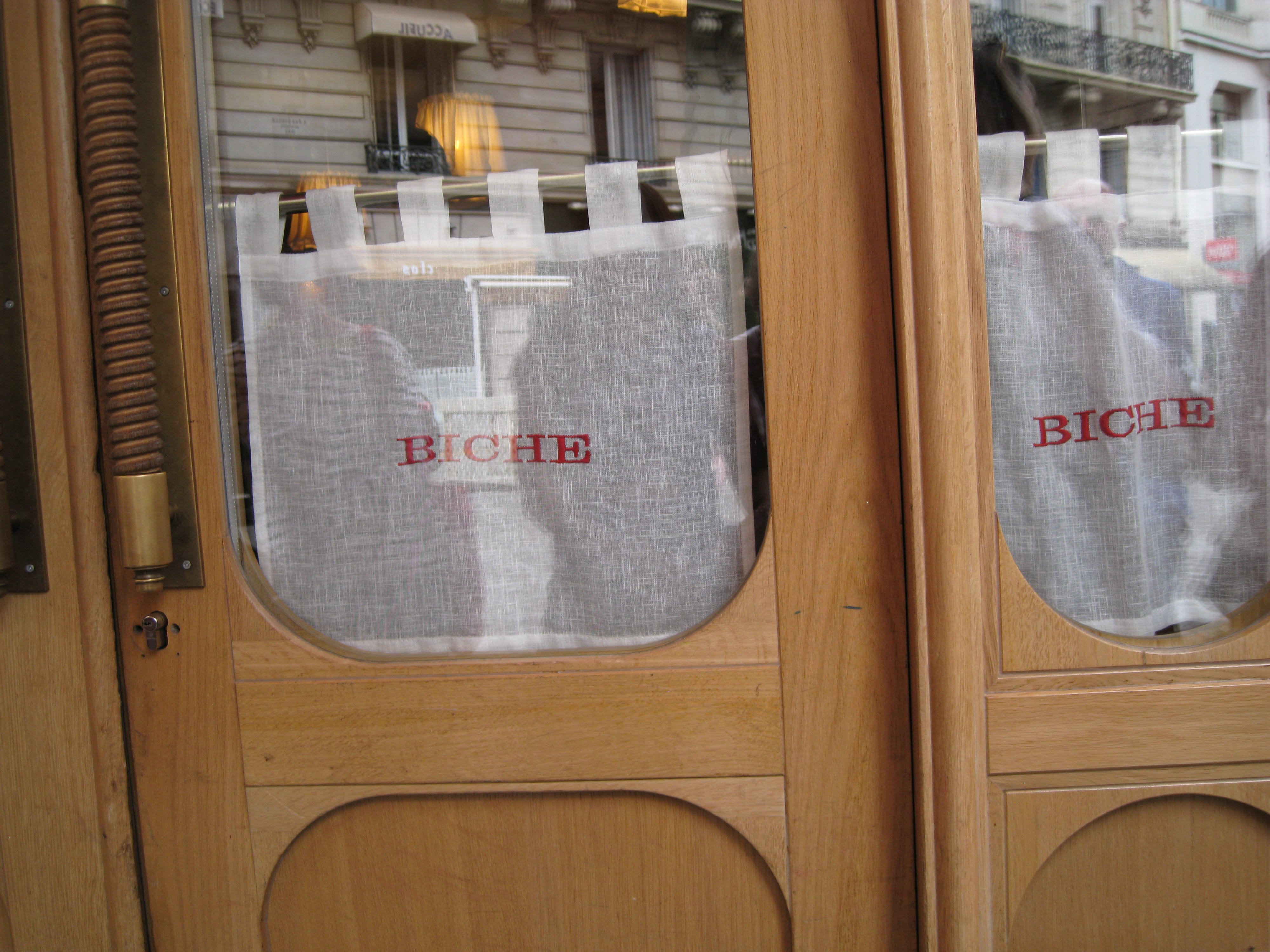
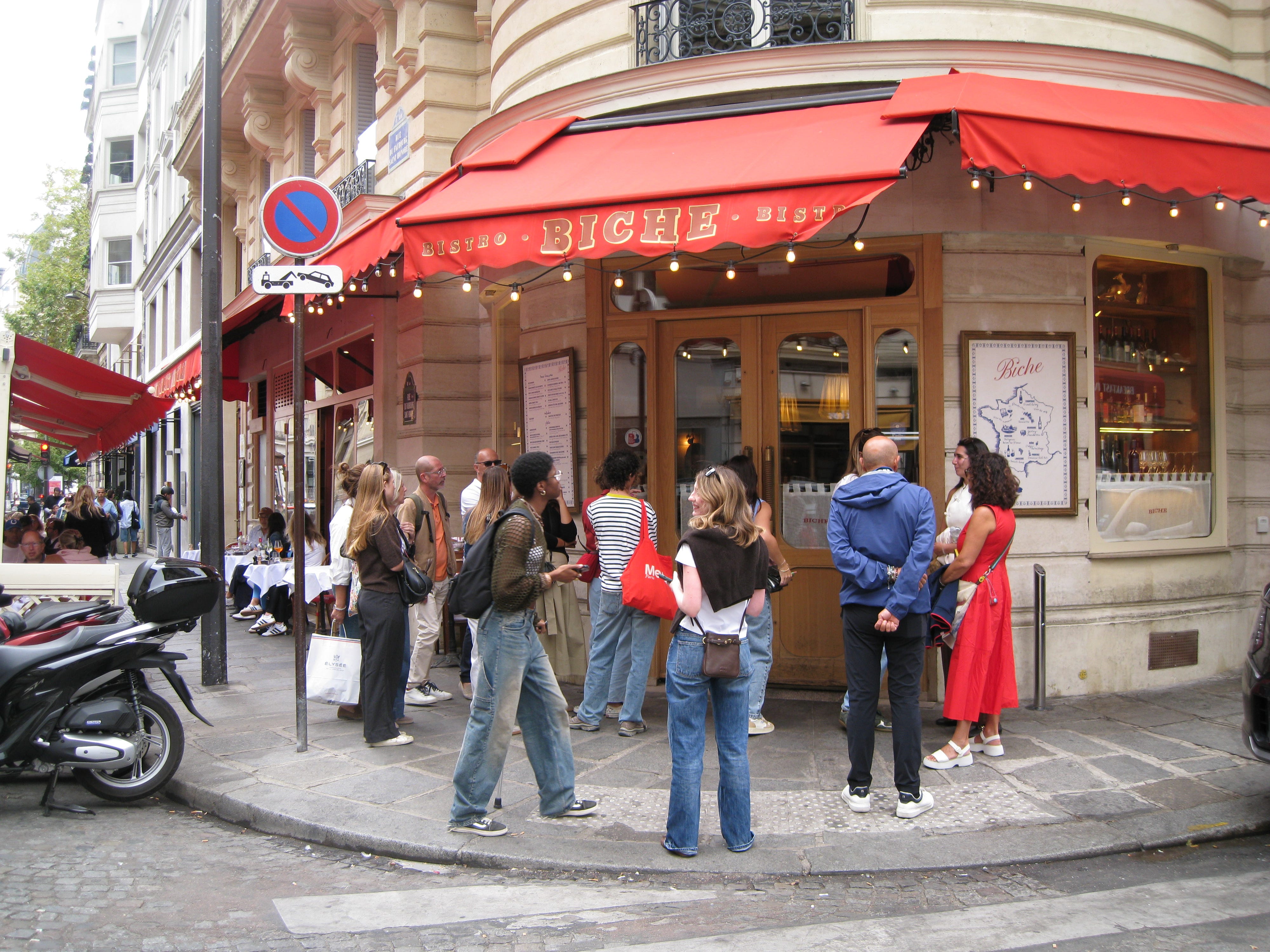
D: I want to show you Biche.
It’s one of my favourite restaurants near home. When I don’t feel like going far away, or when I don’t know where to go, I come here. It’s a classic French restaurant. Tartare, fries, things like that.
But the atmosphere is lovely, and it always seems to be full.
I also want to show you a little pedestrian street nearby.
It’s funny because that part of the neighbourhood doesn’t really feel like Paris.
There are lots of offices, and after work everyone comes outside for drinks.
Sometimes it reminds me more of Milan.
Y: It’s a very different side of the 8th from the Champs-Élysées.
D: Exactly.
The neighbourhood has these little corners that are much quieter and more personal.
You just have to know where they are.
Y: Do you ever go out for dinner alone?
D: Lunch, yes. All the time.
But dinner? Not really.
I was out with Flo recently, and there was this incredibly cool girl sitting next to us having dinner alone.
And I thought, I wish I could do that.
I think it’s so chic.
But if I’m alone in the evening, I’m usually too lazy to go out.
I’d rather order delivery, stay home and watch something on Netflix.
Y: I think I sometimes treat dinner alone as a wasted opportunity, as though I should always be sharing it with someone. But actually, it’s probably something we should do more often.
D: I agree.
There are so many things we could do alone.
I think it’s a question of getting comfortable with the idea.
Books, Mothers, and Other Recommendations
Y: Do you read a lot?
D: I’ve loved reading since I was little. When I really like a book, I can read it incredibly quickly. I remember finishing quite long novels in just a couple of days.
I read all sorts of things, but I particularly like thrillers and psychological novels. During the year I don’t have as much time as I’d like.
Most of my reading happens in the summer.
Y: How do you choose what to read?
D: My mother recommends a lot of books to me. She loves reading too, especially during the summer.
And she’s very funny because she follows people on Instagram who recommend books, so she’s constantly telling me about new titles. Otherwise, I’m quite old-fashioned.
I go into a bookshop, read the descriptions, and choose something that interests me. I never choose a book just because of its cover.
Actually, sometimes I think the books with the most beautiful covers are the worst ones.
Y: Is there a book you’d particularly recommend?
D: Shantaram, by Gregory David Roberts. It’s enormous, around a thousand pages, but I absolutely loved it.
It’s such an extraordinary story, following a man who escapes prison and ends up in India. So much happens to him.
It’s almost like an odyssey.
I read it over one summer and became completely absorbed in it.
They made a television adaptation too, but I didn’t enjoy it nearly as much.
The book has so much more to it.
Some Things Are Better Left Uncomplicated
Y: Let’s finish with a few quick questions. Gold or silver?
D: Gold.
Y: Dinner party at home or dinner at a restaurant?
D: It depends, but probably a dinner party at home.
Y: Instinct or overthinking?
D: Instinct.
Y: A fashion rule you believe in?
D: Less is better.
Y: And one you ignore?
D: Trends.
Just because something is fashionable doesn’t mean you have to wear it.
Y: Something everybody seems to love that you can’t stand?
D: Those little charms people put on handbags.
And Labubus.
I really don’t like them.
Y: Something you’ll defend even if everyone disagrees?
D: Wearing makeup without mascara.
I almost never wear it.
Partly because I’m lazy and hate removing it properly.
But also because my eyelashes are quite short and straight, so mascara doesn’t make much difference anyway.
I stopped wearing it regularly years ago.
I’ll wear blush, lipstick, lip gloss, but usually no mascara.
And people always ask me why.
Y: That’s so funny because I’m the complete opposite. I can leave the rest of my face alone, but I almost always want something on my eyes.
D: I know!
I just don’t feel the need.
And I’m not particularly good at elaborate makeup anyway.
One Word for Everything
Y: One word for Bologna.
D: Home.
Y: One word for Milan.
D: Firsts.
Because Milan represents so many first experiences for me.
Y: Paris?
D: Dream.
Y: Friendship?
D: Life.
Y: Family?
D: Breath.
Y: Didi five years ago?
D: Free.
Y: Didi today?
D: Mature.
Y: And one word for me?
D: Free.
Y: Your favourite word in any language?
D: Coucou !
Palomita’s photo evidence: